How a 19-Year-Old Turned a Basement 3D Printer into an $808K Business: 7 Lessons from CruiseCup
Most teenagers who buy a 3D printer use it to make phone stands and keychains. Mike Satterlee used his to build a company. CruiseCup, the drinkware brand he runs from a warehouse in Clifton Park, New York, brought in $808,000 in gross revenue in 2025, according to documents reviewed by CNBC Make It. He is 19. As a 3D printing business success story it is impressive, but the details are more interesting than the headline number, because almost every step he took is one an ordinary beginner could copy.
Here is how it happened, and the seven lessons I think matter most.
From a $500 Printer to a 160-Printer Operation
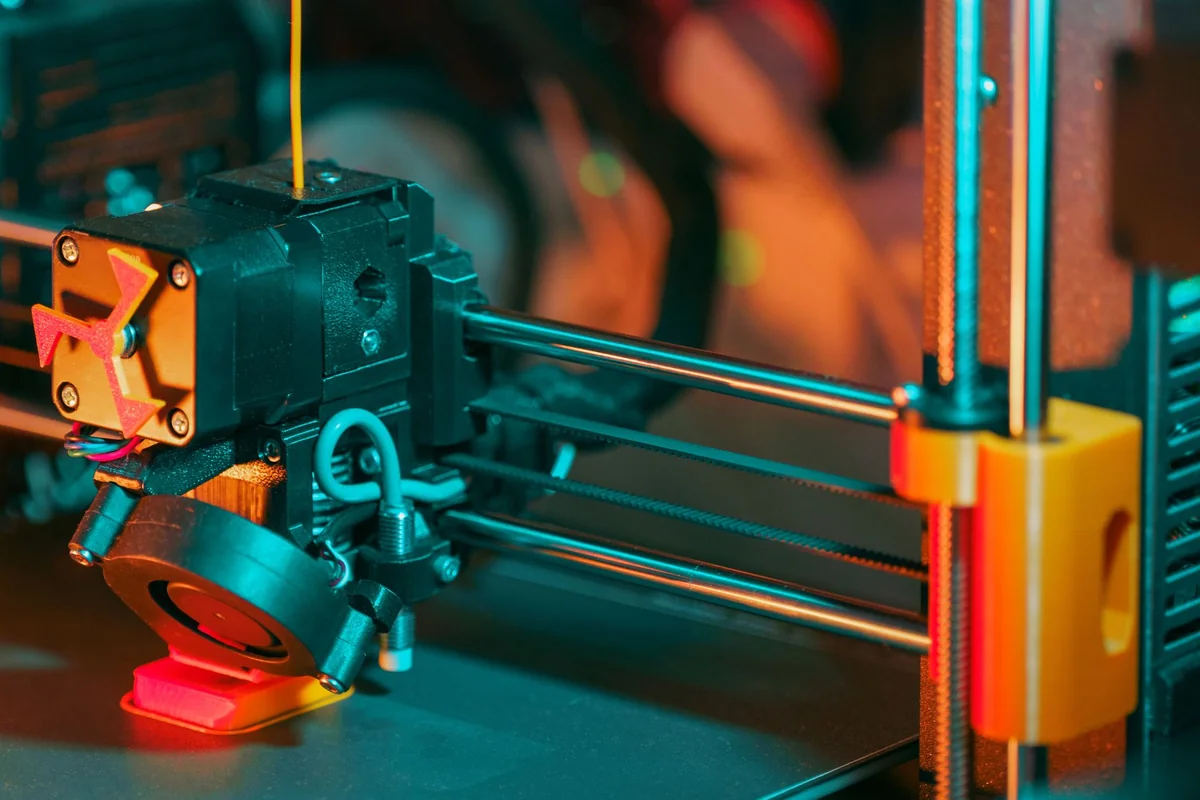
Satterlee first learned to use a 3D printer in a “design and drawing for production” class in his freshman year of high school. In September 2022 he bought his own machine, a roughly $500 model, paid for with savings from Christmas, birthdays and earlier small ventures. Those ventures included lemonade stands and a homemade sand repellent lotion made from hand sanitizer and cornstarch, which is exactly the sort of odd, scrappy experiment that teaches you how selling actually works.
In June 2023 he started his first 3D printing business in his parents’ basement. It was called Solefully, and it sold shoe charms designed to clip onto Crocs. By his own estimate it brought in about $250,000 in 2024. That was enough to rent a $3,600-a-month warehouse in November 2024.
A few months before graduating, he decided to skip college and go full time. He started testing new products and found that universal car cupholder adapters drew more attention on social media and carried better margins than shoe charms. That line became CruiseCup, and it grew fast enough that he shut Solefully down in June 2025.
The Instagram post that changed everything
In August 2025, just three months after high school, he posted about a new product: a hard-shell can cooler that held two 12-ounce cans and could reload from the top or the bottom. He called it the “tactical reloader.” It went viral. Hundreds of orders came in a single day, and with 60 printers he worked out it would take about six weeks to catch up. CruiseCup made $100,000 that month, roughly 60% more than he had ever made in a month before.
Today he runs the company full time with one other employee, uses 160 printers in New York, sources stainless steel models from a manufacturer in China, and has two patents pending.
7 Lessons From CruiseCup
1. Start with the skill, not the business plan
He did not begin with a pitch deck. He began with a class, a cheap machine and curiosity. Skills compound. A business idea without the skill to execute it usually stays an idea.
2. Fund the first step yourself, and keep it small
A $500 printer bought with gift money is a tiny bet. If it had failed, nothing much was lost. That low downside is what made it possible to keep experimenting. Many would-be founders do the reverse and take on big costs before they have a single customer.
3. Follow the data, even if it means killing your first baby
Solefully was working. It made around a quarter of a million dollars in a year. Shutting it down must have felt strange. But the cupholder products sold better and earned more per unit, so he moved. Being loyal to results instead of to your first idea is one of the hardest habits in business, and one of the most valuable.
4. Solve a small, real annoyance
The double-can cooler came from scrolling Instagram and noticing that competing products made you pull out both cans to reach the second drink. That is not a world-changing problem. It is a mildly irritating one, and those are often the best kind to solve, because people instantly understand the fix.
5. Reinvest before you reward yourself
This is the part I like most. CruiseCup is profitable, yet Satterlee says he takes only $500 to $1,500 a month. He lives with his parents and pays no rent, and the rest goes into more printers, ads and new products. That is a privilege not everyone has, to be fair. Still, the principle holds: early profits planted back into the business grow faster than profits spent.
6. Protect what you invent
Two patents pending on his designs show he understood something many young makers miss. In 3D printing, copying is easy. If you create something original that sells, protect it early.
7. Love the work, or the grind will win
“Every day I wake up, I’m excited to go to work,” he told CNBC. “I don’t really even see it as work.” You can read the full CNBC Make It profile of CruiseCup for more of his story. That enthusiasm is not fluff. Running a fleet of printers, dealing with a six-week backlog and answering customers would wear down anyone who was in it only for the money.
Is a 3D Printing Side Hustle Still Worth Starting?
The market is clearly growing. A Shopify spokesperson told CNBC that sales of 3D-printed products on the platform rose 112% from October 2025 to September 2026. Printers are cheaper than ever, and design files can be made at a kitchen table.
But growth also means competition. Easy entry cuts both ways. If you can start a print shop for a few hundred dollars, so can thousands of other people. What separated Satterlee was not the printer. It was product judgement, a viral design and the discipline to scale carefully, waiting for revenue before buying more machines rather than borrowing ahead of demand.
My honest view: it is worth trying if you treat it as a learning project first. Expect your first few products to flop. Track what sells. Put the money back in. If you need a reminder of how relentless builders think about iteration and failure, our piece on how Elon Musk approaches innovation and work culture covers the build-test-improve mindset from a very different scale.
What Comes Next for CruiseCup
Satterlee plans to add UV printing, an alternative to screen printing, and more kinds of drinkware. He also wants to hire a bigger marketing team and try to get CruiseCup onto retail shelves. Meanwhile, some of his high school classmates are in their second year of college. Neither path is wrong. His just happens to come with 160 printers humming in a warehouse.
The real takeaway from this 3D printing business success story is not “drop out and get rich.” It is that a small, cheap start, combined with honest attention to what customers actually want, can grow into something serious faster than most people believe.
Frequently Asked Questions
Who founded CruiseCup?
CruiseCup was founded by Mike Satterlee, a 19-year-old entrepreneur from New York who started 3D printing products in his parents’ basement.
How much revenue did CruiseCup make?
CruiseCup brought in $808,000 in gross revenue in 2025 across its website and TikTok Shop, according to documents reviewed by CNBC Make It, plus a smaller amount from Amazon.
What does CruiseCup sell?
It sells hard-shell insulated can coolers and other drinkware, including a viral double-can cooler that reloads from the top or bottom.
How much does it cost to start a 3D printing business?
Satterlee began with a printer that cost about $500. Costs rise as you add machines, materials, space and marketing, so starting small and reinvesting is the safer route.