Everest: The Other Side – The Everest Documentary About Love, Grief and an Impossible Ski Line
The new Everest documentary from Jimmy Chin and Elizabeth Chai Vasarhelyi, Everest: The Other Side, opened in US and UK cinemas on October 30, 2026, after reaching Australia a day earlier. Released by Disney and National Geographic, with IMAX screenings, it is the latest film from the Oscar-winning team behind Free Solo. It is also, by some distance, the most emotionally difficult film they have made, and it is one of the more interesting releases of this Halloween weekend for anyone who cares about how people carry on after loss.
This is not a review of the Everest documentary in the usual sense. I want to look at what the film is about, why critics are both impressed and uneasy, and what its central story says about ambition, love and grief.
The Story Behind the Film
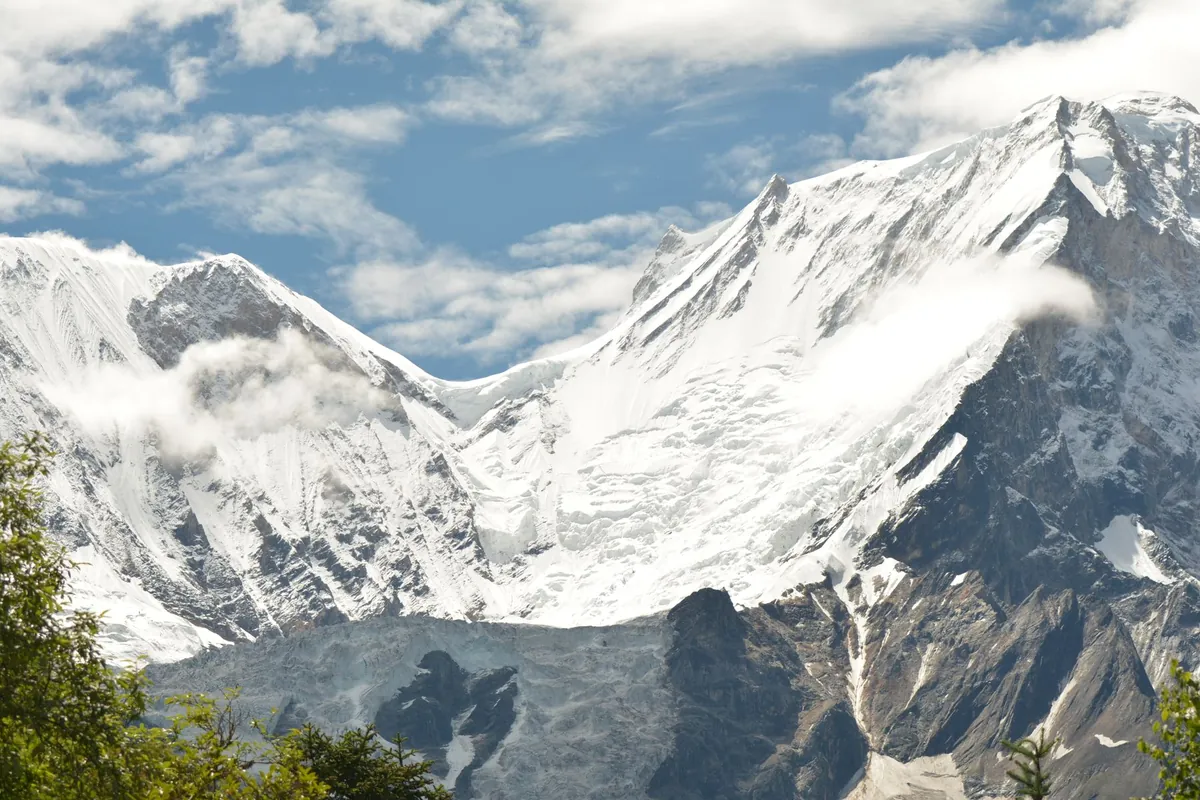
The film follows ski mountaineers Jim Morrison and Hilaree Nelson, who were partners in life and in the mountains. Their shared goal was to become the first people to ski down the north face of Everest, one of the most dangerous lines in the sport.
On September 26, 2022, Nelson was killed in an avalanche while skiing in Nepal. She left behind two sons, Quinn and Grayden. For Morrison, it was not the first unimaginable loss. Years earlier, his first wife, a pilot, died in a plane crash along with their two young children.
Most people would never go near a mountain again after either of those events. Morrison eventually returned to Everest with Chin and completed the climb and the ski descent the couple had planned together. The documentary sits with that decision, and it does not pretend the decision is simple.
A Film That Asks Hard Questions
The production also carried its own tragedy. Nepalese guide Pur Bahadur Gurung, known as Yukta, was injured during the expedition, and he later died in a separate avalanche about a month before the film’s premiere at the Venice Film Festival on September 2, 2026, where it screened out of competition.
That context hangs over every frame. Critics have been generous about the filmmaking. The images of the mountain are enormous and frightening, and Caroline Ho’s score gives the film a restrained, almost mournful quality. At the time of writing, the film holds an 88 percent certified fresh rating on Rotten Tomatoes and a Metacritic score of 65, which reflects a real split in opinion.
Much of that split is about ethics rather than craft. In the Guardian’s review, Leslie Felperin weighs the film’s undeniable beauty against the uncomfortable questions it raises. Variety’s Guy Lodge and RogerEbert.com’s Matt Zoller Seitz also praised the visuals while wondering how much the film interrogates the risks it shows. Is it a celebration of courage, or a portrait of an obsession that has cost too much? Reasonable viewers will land in different places, and I think that is to the film’s credit.
Two Quotes Worth Sitting With
In an interview quoted by Variety, Nelson once described how she handled the fear that came with her work as a mother and a mountaineer: “What I can do is love my kids today when I see them. What else can I do?”
It is a strikingly honest answer. She does not claim the danger is under control or that everything will be fine. She simply chooses what she can control, which is how she shows up for the people she loves on any given day. Whatever you think of extreme sport, that is a lesson that applies far beyond the mountains.
Chin, speaking about why people like Morrison and Nelson keep going back, said: “People forget that you don’t get to choose your calling. Your calling finds you.” Some viewers will find that inspiring. Others will hear it as a justification. Both reactions seem fair, and the film leaves room for both.
What the Film Says About Grief and Purpose
Grief does not follow a script
One of the most uncomfortable things about Morrison’s story is that his way of grieving looks, from the outside, like the opposite of what most of us would choose. He went back toward the thing that had taken the person he loved. Yet grief has never been a tidy, universal process. Some people need to step away from everything connected to a loss. Others need to finish what they started. The film does not tell us which is right. It shows one person’s path and lets us draw our own conclusions.
Shared dreams outlive the people who hold them
The ski descent was not only Morrison’s goal. It belonged to both of them. Completing it can be read as a way of honoring Nelson, of carrying a plan forward even after the partnership ended. Most of us will never stand on a Himalayan summit, but many of us know what it means to keep a promise or finish a project that someone we lost cared about.
Ambition always has a cost, and someone pays it
This is the harder lesson. Ambition is often celebrated without much thought about who carries the risk. In this case, the cost reached beyond the climbers to families, children and the local guides whose work makes Himalayan expeditions possible. Yukta’s death is a reminder that high-altitude dreams depend on people who rarely get top billing. A thoughtful viewer leaves the cinema admiring the courage on screen while also asking whether every summit is worth what it takes.
Where It Fits in a Busy Week at the Cinema
The documentary arrives on a crowded Halloween weekend, with the DC horror film Clayface and Nathan Fielder’s documentary You Can See Everything competing for attention. We wrote earlier about how You Can See Everything set a box office record for a documentary, and it is encouraging to see non-fiction films getting real screen space this autumn.
Everest: The Other Side runs 116 minutes and is rated PG-13 in the US. It is not light viewing, and parents should know that it deals directly with death and danger. For older teenagers and adults, though, it is the kind of film that starts long conversations on the drive home.
Should You See It?
If you loved Free Solo, you will recognize the same patience in this Everest documentary and the same extraordinary camerawork. Chin and Vasarhelyi know how to make a mountain feel both beautiful and indifferent to human life. But this is a sadder, more searching film. It is less about whether one person can achieve the impossible and more about what remains after the impossible has already taken so much.
I would recommend it, with a caveat. Go in ready to be moved, and ready to disagree with some of the choices you see on screen. The best documentaries do not hand us a neat moral at the end. They give us real people making real decisions, and they trust us to think about them. On that measure, this film succeeds.