Canelo Alvarez Beats Christian Mbilli to Win Back His WBC Title: Lessons From a Comeback
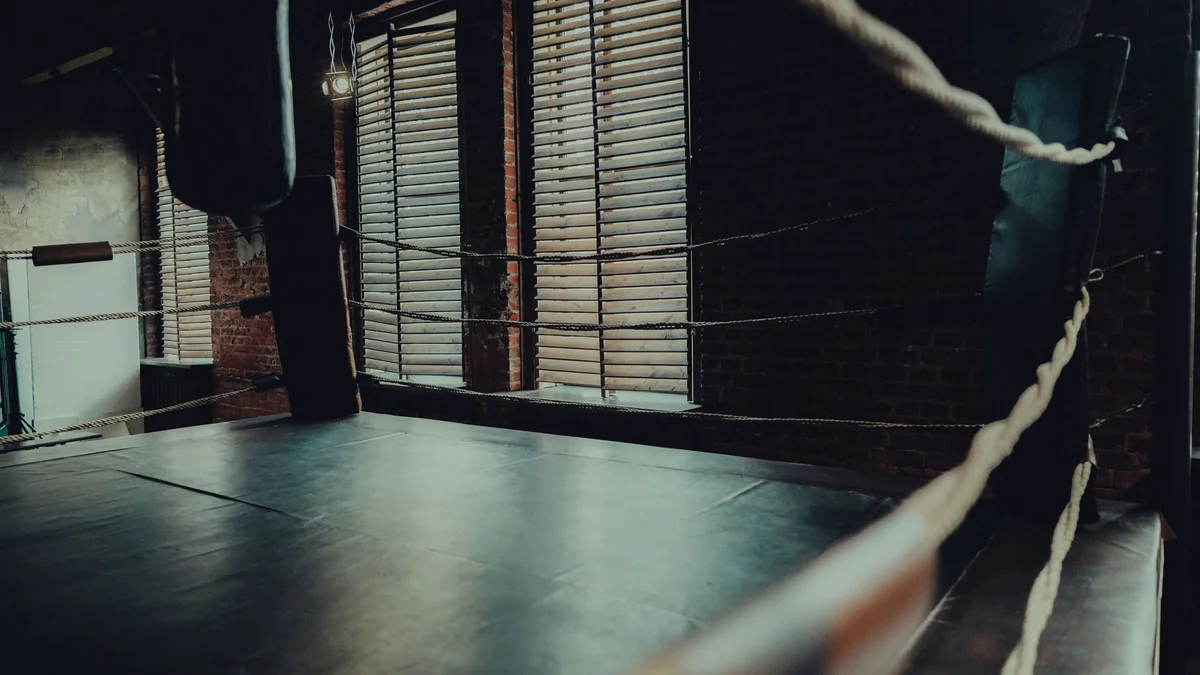
Canelo Alvarez is a world champion again. On Saturday, October 31, 2026, in Riyadh, the 36-year-old Mexican beat previously unbeaten Christian Mbilli by unanimous decision to reclaim the WBC super-middleweight title. The judges scored it 115-112, 116-111 and 117-110. It was his first fight in more than a year, his first since losing to Terence Crawford in September 2025, and it ended the first stretch since 2015 in which he had been without a world title. After the result, he summed it up simply: “It feels like my first title.”
That sentence is why this fight matters beyond boxing. It is a story about returning after a defeat, about starting again when you have already achieved almost everything, and about finding fresh meaning in work you have done for most of your life.
The Fight in Brief
This was the 69th professional fight of Alvarez’s career, and it lifted his record to 64 wins, three losses and two draws. Mbilli, 31, was born in Cameroon and is based in Canada. He came in with a record of 29 wins and one draw and no defeats, and he had a reputation for relentless pressure.
Alvarez answered that pressure with experience. He controlled distance, picked his moments and landed the cleaner work through most of the rounds. Mbilli kept coming and made it competitive at times, but he was docked a point for punches to the back of the head, and the scorecards reflected a clear win for the more seasoned man. It was Mbilli’s first professional loss.
The event also went ahead despite security concerns in the region, which added another layer of pressure for everyone involved.
Coming Back From a Low Point
The loss to Crawford
When Alvarez lost to Terence Crawford in September 2025, plenty of people assumed they were watching the end of an era. He was in his mid-thirties, he had nothing left to prove, and he had been beaten clearly by one of the best fighters of his generation. Walking away would have been easy to understand.
He did not walk away. Instead, he took more than a year out of the ring. That is a long time for a fighter who used to compete regularly, and it suggests that the comeback was not rushed. He gave himself time to recover physically and to decide whether he still wanted to do this.
Why he kept going
His answer, after beating Mbilli, was direct: “I still love boxing and I enjoy it a lot.” There is no grand speech in that line and no talk of legacy. It is just the plain reason most people keep going at hard things: they still care about them.
That is worth remembering for anyone who has had a public setback at work, in sport or in life. The question after a defeat is not only “can I win again?” It is also “do I still want this?” If the honest answer is yes, the setback becomes part of the story rather than the end of it.
What Champions Do Differently
They treat a return like a beginning
Alvarez is a four-weight world champion. He has won titles in four weight classes and has been one of the biggest names in boxing for more than a decade. Yet he described this win as if it were his first. That mindset matters. When you treat a return as a fresh start, you prepare with the hunger of someone who has not made it yet, rather than the comfort of someone who already has.
They use experience as an advantage
Mbilli was younger and unbeaten. On paper, youth and momentum were on his side. But experience counts for a lot under pressure. Alvarez knew how to pace himself, how to stay calm when the other man pushed, and how to win rounds without taking unnecessary risks. In any field, knowledge that only comes from years of practice can level the playing field against energy and confidence.
They keep learning
Asked about what comes next, Alvarez did not talk about trash talk or big paydays. He said: “I’m going to rest. I’m going to keep learning. I’m going to keep working hard.” It is striking that a fighter with his record still speaks about learning. The best performers rarely see themselves as finished products.
Lessons for Your Own Comeback
You do not need to fight in Riyadh to take something useful from this. A few ideas stand out.
Take the time you need
Alvarez did not jump straight back in after his loss. Recovery, whether from injury, burnout or disappointment, is part of the process, not a delay to it. Coming back too fast can turn one setback into two.
Reconnect with why you started
His comments about loving the sport point to something simple. Motivation that comes from enjoyment tends to last longer than motivation that comes from pressure or proving people wrong. If you are struggling to restart something, it can help to remember what you liked about it in the first place.
Respect the opponent, then do your job
Mbilli was a serious challenge, and Alvarez treated him as one. Overconfidence after a long career is a real risk. Preparing as if every challenge is difficult is one of the quieter habits that separates people who stay at the top from people who drift.
Comeback stories in sport often share this pattern. We saw a version of it in our piece on JuJu Watkins and her return from an ACL injury, where patience and steady work mattered as much as talent.
Measure progress by your own standard
After the Crawford defeat, outsiders were quick to write conclusions about Alvarez. He set his own test instead: could he prepare properly, enjoy the work again and perform on the night? Judging yourself against your own standard, rather than the loudest opinions, keeps a comeback focused on things you can actually control.
A Word for Christian Mbilli
It is also worth giving credit to the man on the other side. Mbilli lost his unbeaten record on one of the biggest stages in the sport, but he took the fight, pushed a legend for twelve rounds and gained experience that money cannot buy. Plenty of great champions lost early and came back stronger. At 31, he has time to do the same.
The Bottom Line
Canelo Alvarez did not need this fight for his legacy. He wanted it because he still loves the work. After a defeat, a long break and a year of questions about whether he was finished, he walked out in Riyadh and won a world title that, in his words, felt like his first. His plan now is to rest, keep learning and keep working hard. That is a pretty good plan for anyone trying to come back from a setback of their own.