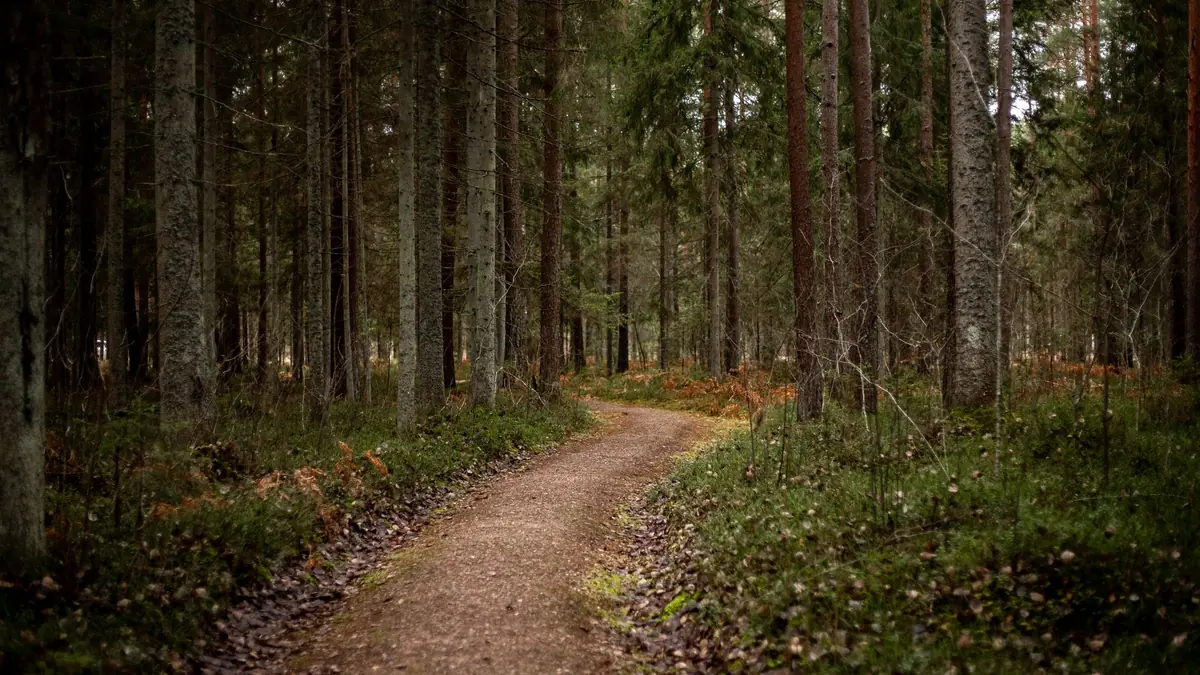
Walking Therapy: Why More People Are Taking Their Therapy Sessions Outdoors
Walking therapy is having a moment. Instead of sitting across from a counsellor in a quiet office, more people are choosing to talk through their problems while moving side by side along a trail. A Los Angeles Times feature published on October 29, 2026 followed therapists who now hold sessions in Griffith Park and along the shaded Ferndell Nature Trail, and it paints a picture of a practice that is simple, old-fashioned and surprisingly effective for some people. If you have ever found it easier to talk on a long walk than at a table, this trend will make instant sense.
What Walking Therapy Actually Is
At its core, walking therapy is ordinary talk therapy that happens on foot, usually outdoors. The therapist and client walk at a comfortable pace, often on a familiar route, and the conversation unfolds as it would in an office. It is generally seen as a form of ecotherapy, a broad term for approaches that bring nature into mental health care.
The Times piece features Ismary Colon Angueira, an ecotherapist who walks with clients in Griffith Park, and psychologist Maz Miller, who co-founded a practice dedicated to walk-and-talk sessions. Both describe the outdoors not as a backdrop but as an active part of the work.
Not as New as It Sounds
The idea has deep roots. Sigmund Freud was known to walk with some of his patients, and plenty of people throughout history have used long walks to think through hard decisions. What is new is how many therapists now offer it as a regular option.
The COVID-19 pandemic gave the practice a push. When indoor meetings felt risky, outdoor sessions offered a way to keep seeing clients face to face while staying in the open air. Many therapists and clients liked the format enough to keep it after restrictions ended.
Why Side by Side Can Feel Easier
Less pressure, less hierarchy
One of the strongest points in the Times feature is about posture and position. In an office, the therapist and client usually face each other, which can feel formal and a little like an interview. Walking side by side changes that. Nobody is the expert behind the desk. As one therapist put it, “We’re entering the terrain together.”
For many people, that shift lowers the stakes. You do not have to hold eye contact while you say something painful. You can look at the path, the trees or the sky, and the words often come more easily.
Movement helps busy minds
The therapists also said walking sessions can suit people they describe as fast thinkers and fast talkers, the kind of clients whose anxiety makes sitting still hard. Gentle movement gives restless energy somewhere to go. For some, it is easier to slow down mentally when the body is already moving.
Nature as a third participant
Practitioners often describe nature as a third presence in the session. A sudden bird call, a change in the light or a steep stretch of trail can open up a new line of conversation. Those small moments can make a session feel less scripted and more alive. As one of the therapists told the paper, “Being in nature is our birthright.”
The Practical Questions
Walking therapy is not perfect, and the people who practise it are open about the trade-offs.
Privacy
An office door closes. A trail does not. Therapists who work outdoors tend to choose quieter routes and agree in advance with clients on what to do if they meet someone they know, or if the conversation needs to pause while other walkers pass.
Weather and access
Heat, rain and cold all affect sessions, and therapists usually keep an indoor or online option ready as a backup. Walking therapy may also not suit everyone. People with mobility limits, certain health conditions or a need for a very contained setting may be better served by a traditional room, and a good therapist will talk through that honestly.
It is still therapy
A walk with a licensed professional is not the same as a stroll with a friend. The same standards of care, confidentiality and boundaries apply. If you are interested, the right step is to ask a qualified therapist whether they offer outdoor sessions, rather than trying to recreate it informally.
How to Borrow the Idea in Daily Life
You do not need to book a session to use some of the principles behind walking therapy. A few simple habits can bring a little of the same benefit into ordinary life.
Take hard conversations outside
If you need to talk through something difficult with a partner, friend or family member, try doing it on a walk. Side-by-side conversation can feel less confrontational than sitting across a kitchen table.
Walk to think, not just to exercise
Not every walk needs a step goal. Sometimes the most useful walk is a slow one with no headphones, where you let your mind wander and see what comes up.
Notice what changes
After a few walks, pay attention to how you feel before and after. Some people find their thoughts become clearer, while others simply feel calmer. Keeping a short note can help you see whether the habit is actually working for you.
Put the phone away
Time outdoors works best when you are actually present for it. We looked at this in our article on phone-free holidays and wellbeing, and the same idea applies on a short local walk. A few minutes without notifications can make a familiar route feel new.
Find your own green space
Griffith Park is not essential. A city park, a canal path, a tree-lined street or a nearby nature reserve can all work. What matters is regular access to somewhere that helps you slow down.
Who Might Want to Try It
Walking therapy may appeal to people who feel boxed in by an office, who find eye contact draining, who think best while moving, or who simply want more time outdoors in their week. It may be less suitable for anyone who needs complete privacy, has significant mobility challenges or prefers the predictability of a familiar room. There is no single right answer, only the format that helps you open up and keep coming back.
The Bottom Line
Walking therapy takes something humans have always done, talking while walking, and gives it a structured, professional home. It will not replace the counselling room, and it is not meant to. But for many people, stepping onto a trail with a therapist turns a difficult conversation into a shared journey. Even if you never book a session, the lesson is easy to carry with you: sometimes the best way to work through what is on your mind is to get up and move.


2 comments on “Walking Therapy: Why More People Are Taking Their Therapy Sessions Outdoors”