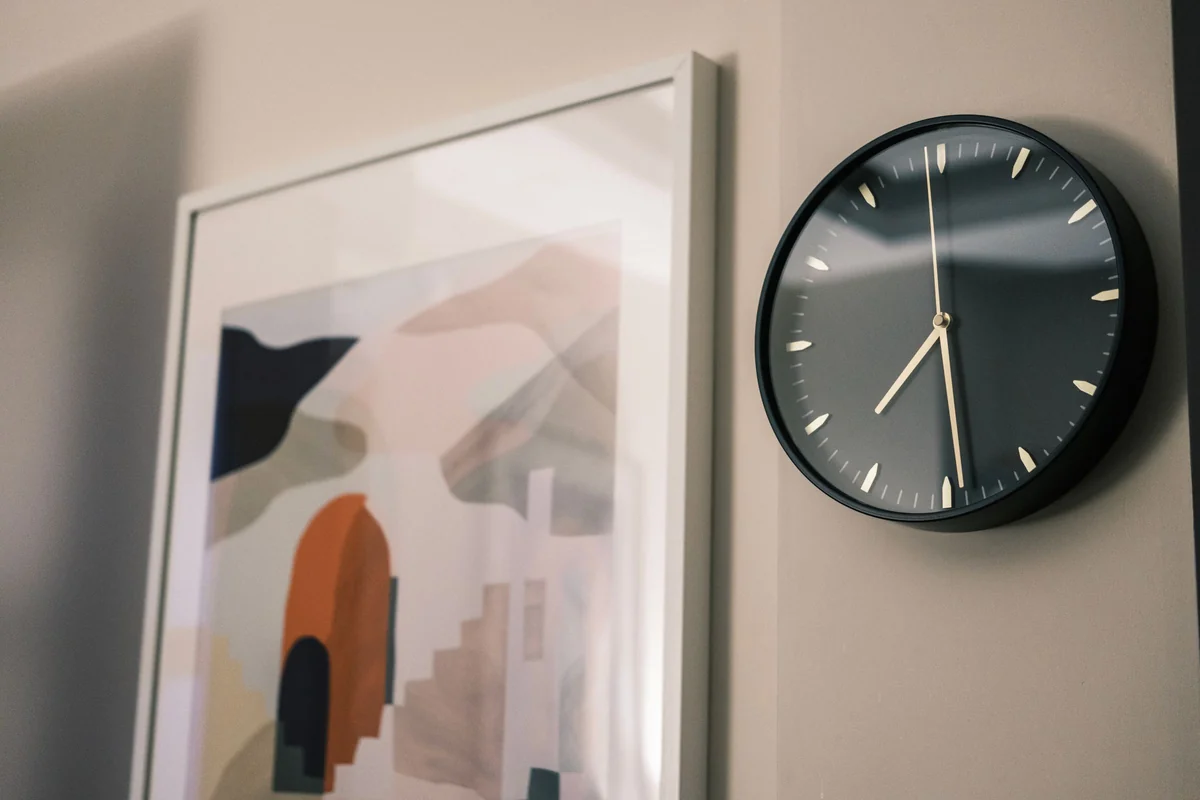
Clocks Go Back 2026: 9 Ways to Stay Motivated When the Days Get Shorter
This weekend the evenings get noticeably darker. In the UK and across the European Union the clocks go back one hour in the early hours of Sunday, 25 October 2026. In the United States, daylight saving time ends a week later, at 2 a.m. on Sunday, 1 November, and most of Canada follows the same date. You gain an hour of sleep, which is nice for about a day. Then you walk out of work into darkness and wonder where your energy went. If you want to stay motivated in winter, the trick is not willpower. It is setting up your days so the darkness has less say.
What Actually Happens When the Clocks Go Back
The change itself is simple. According to the NIST guide to daylight saving time rules, when the US returns to standard time, 2 a.m. local time becomes 1 a.m. again, so that hour is repeated. NIST puts it neatly: the switch back “effectively moves one hour of daylight from the evening to the morning.”
That is the whole problem in one sentence. Mornings get a bit brighter for a few weeks, but the evenings, when most people finally have free time, lose their light. Add the natural shortening of days as winter approaches and many of us find our usual routines start to wobble.
Why motivation dips
Light is one of the strongest signals our body clock uses. Less daylight in the hours when we are awake can leave people feeling sluggish, hungrier for comfort food and less keen on plans. For most people this is a mild seasonal slump. For some it is more serious, and if low mood lasts for weeks or affects daily life, it is worth speaking to a doctor rather than trying to push through alone.
9 Ways to Stay Motivated When the Days Get Shorter
1. Use the extra morning light on purpose
Since the change shifts daylight toward the morning, make that your best time. A ten-minute walk outside after breakfast, even under cloud, gives you far more light than a bright office. Take the call outside. Walk the longer way to the station. Treat morning daylight like a free supplement.
2. Move your hardest task earlier
If your focus fades by late afternoon in winter, stop fighting it. Put the work that needs real thinking in the first half of the day and save email, admin and routine jobs for the darker hours. It is a small change that removes a lot of daily frustration.
3. Protect a fixed wake-up time
The extra hour on the first Sunday is tempting to spend in bed, and you should enjoy it. After that, keep your wake-up time steady, weekends included. A consistent start does more for your energy in winter than any productivity app. Our guide to healthy habits for a more productive morning has simple routines that fit well here.
4. Make the evening feel like a choice, not a void
Dark evenings feel long when they are empty. Plan one thing you look forward to on most weeknights: a class, a call with a friend, a book, cooking something new. It does not need to be big. It just needs to exist, so the night has a shape.
5. Exercise before the light disappears
Outdoor exercise after work gets harder from November onwards. Try moving workouts to lunchtime or early morning for the winter months. If that is impossible, choose an indoor option you actually enjoy, because the best workout in December is the one you will turn up for.
6. Shrink your goals, do not drop them
Winter is a bad time for all-or-nothing thinking. If you usually run 5 km, a 2 km jog on a cold, dark day still counts. If you write daily, 200 words is fine. Keeping the habit alive at a smaller size is far easier than restarting it in spring.
7. Brighten your home and workspace
Open curtains fully during the day and sit near a window if you can. In the evening, warm lamps make a room feel inviting rather than gloomy. Some people use light boxes designed for winter mornings. If you are curious about one, check with a health professional first, especially if you have eye conditions or take medication that affects light sensitivity.
8. Eat for steady energy
Cold, dark days push many of us toward sugary snacks and heavy meals, followed by an energy crash. Regular meals with protein, vegetables and whole grains keep you more even through the afternoon. It is not glamorous advice. It works.
9. Stay social on purpose
When it is dark at 5 p.m., cancelling plans feels easy. But isolation tends to deepen a winter slump. Keep at least one regular social fixture each week, even if it is just coffee with a colleague or a weekly video call with family abroad.
A Simple Weekly Plan for Darker Months
If nine ideas feel like a lot, start with three. Pick a fixed wake-up time, a daily dose of morning light and one planned evening activity on weeknights. Run that for two weeks before adding anything else. Small wins build momentum, and momentum is what carries you through January.
It also helps to remember that this is temporary. The shortest day in the Northern Hemisphere comes in late December, and after that the evenings slowly stretch out again. Winter is a season, not a verdict on your discipline.
Different Dates, Same Challenge
One quirk catches out a lot of people every year: for one week, Europe and North America are on different schedules. Between 25 October and 1 November, the time gap between London and New York drops from five hours to four. If you work with colleagues or clients across the Atlantic, double-check meeting invitations that week.
Also worth knowing: not every region changes its clocks. NIST notes that Hawaii, most of Arizona and several US territories do not observe daylight saving time at all, and many countries nearer the equator never use it.
Related reading
- Sleepmaxxing Is Everywhere, but Researchers Say Better Sleep Starts With Letting Go
- Healthy Habits for a More Productive Morning
- The Life Well Lived Is Camera Shy: Why Wellbeing Is Moving Off Screen
Frequently Asked Questions
When do the clocks go back in 2026?
In the UK and EU, the clocks go back on Sunday, 25 October 2026. In the US and most of Canada, daylight saving time ends at 2 a.m. local time on Sunday, 1 November 2026.
Do we gain or lose an hour when the clocks go back?
You gain an hour. At the change, the local time moves back one hour, so that hour is repeated.
How can I stay motivated in winter?
Get daylight early in the day, keep a steady wake-up time, put demanding work in the morning, shrink goals rather than dropping them and plan something enjoyable for dark evenings.
Is feeling low in winter normal?
A mild dip in energy is common as days shorten. If low mood is persistent or affects daily life, talk to a doctor, as it may be a condition that benefits from proper support.